Bar Handling System
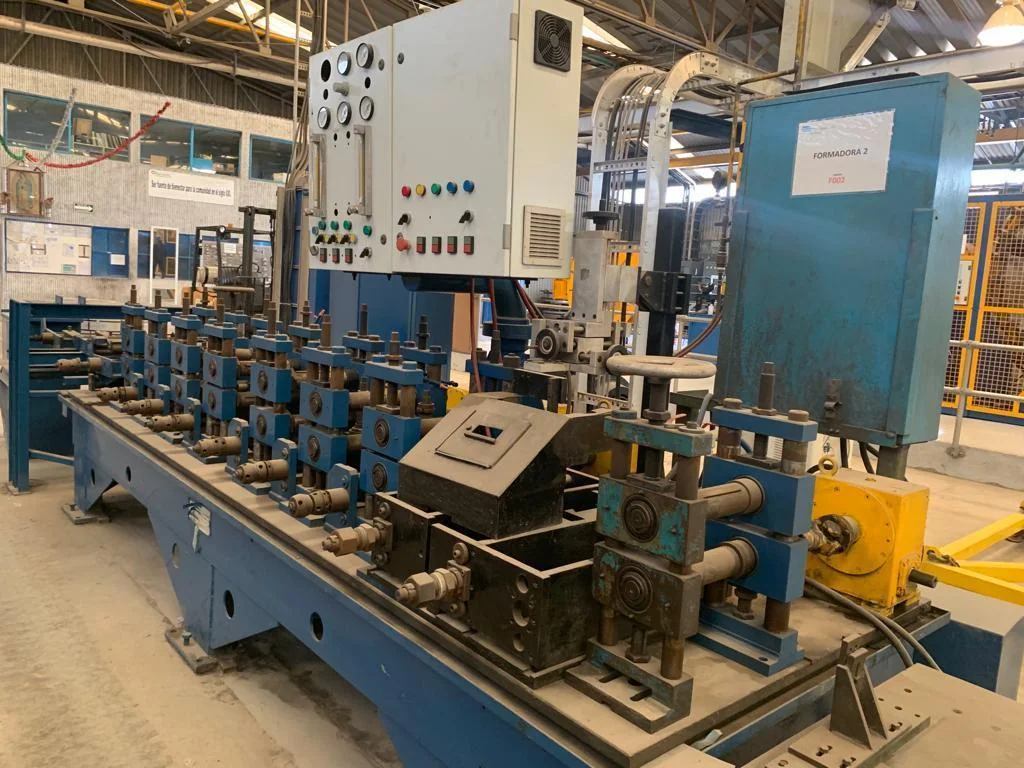
Roller tables, transfer aprons and discharge equipment that move hot bar between the mill, the cooling bed and the finishing end without manual intervention.
Discuss Your RequirementSpecified around the line—not selected from a generic list.
Bar handling decides how much of a mill's rolling speed actually reaches the finishing end. Roller pitch, drive grouping, apron geometry and arresting timing all follow from the rolling speed, section range and bar length. NSG EA engineers handling equipment around the existing pass line, cooling bed width and cut lengths rather than around a standard frame size.
Engineering scope
- Roller tables for entry, inter-stand and delivery duty
- Braking slides, aprons and bar-arresting equipment
- Transfer, kick-off and discharge arrangements
- Drive grouping, motor and gear selection
- Frames, supports and wear-plate detailing
- Retrofit handling for mills already in production
Typical applications
- 01TMT and reinforcement bar mills
- 02Rounds, flats, squares and structural sections
- 03Cooling bed entry and discharge ends
- 04Shear, bundling and dispatch bays
Questions buyers ask early
What decides roller table design for a bar mill?
Rolling speed, finished section range, bar length, delivery temperature and cut length set the roller pitch, roll diameter, drive grouping and frame construction. Mill layout and available floor level then fix the mounting arrangement.
Can handling equipment be added to a mill already in production?
Yes. Handling is normally retrofitted section by section during a shutdown, working from measured levels, existing foundations and the current pass line so new equipment lands on the same reference.
Share it and we will come back on feasibility, scope and the data still needed.
Discuss your bar handling requirement.
Share the application, product range, current equipment and performance objective. The conversation starts with your process—not a standard catalogue answer.