Entry Guide System
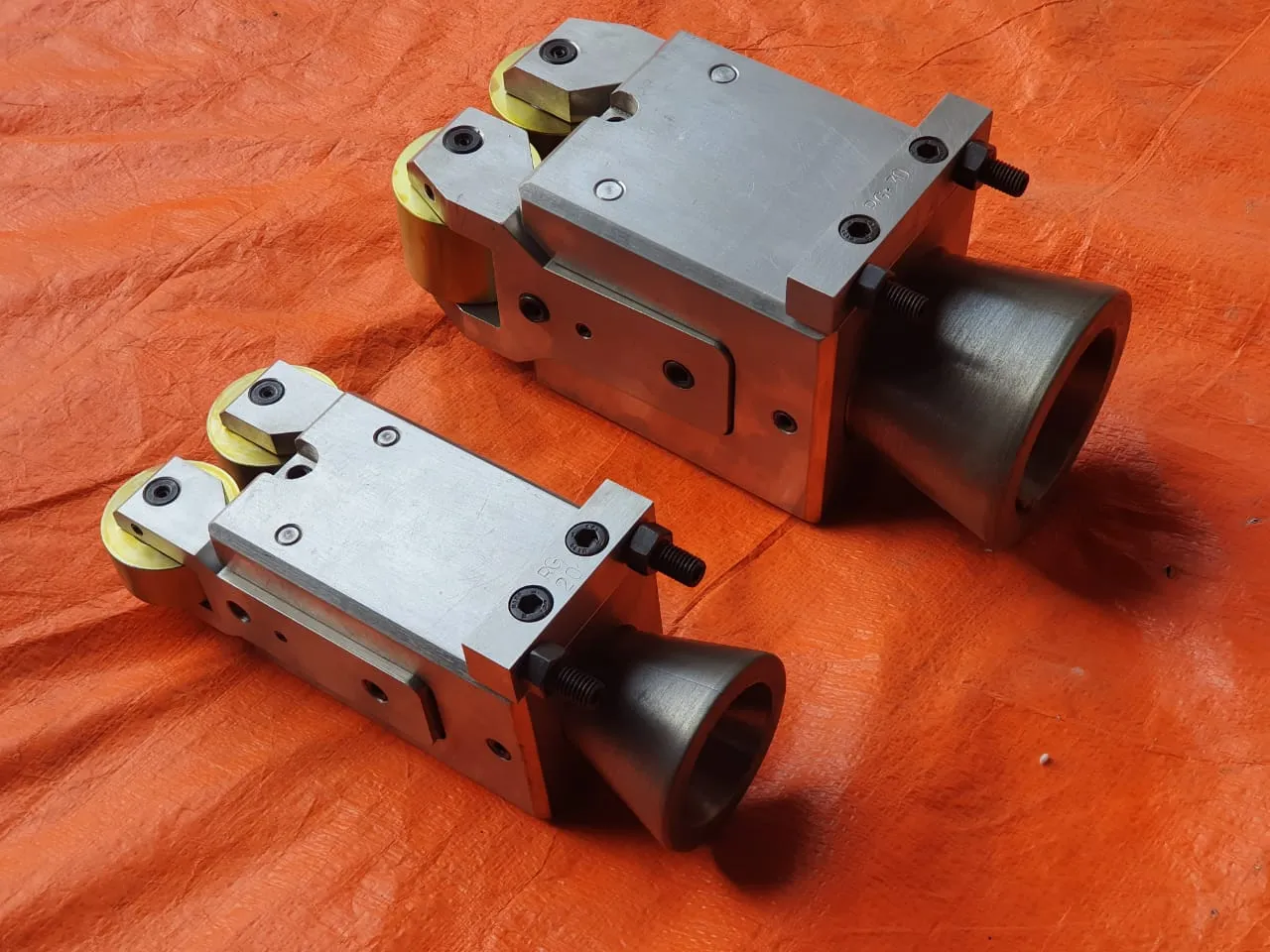
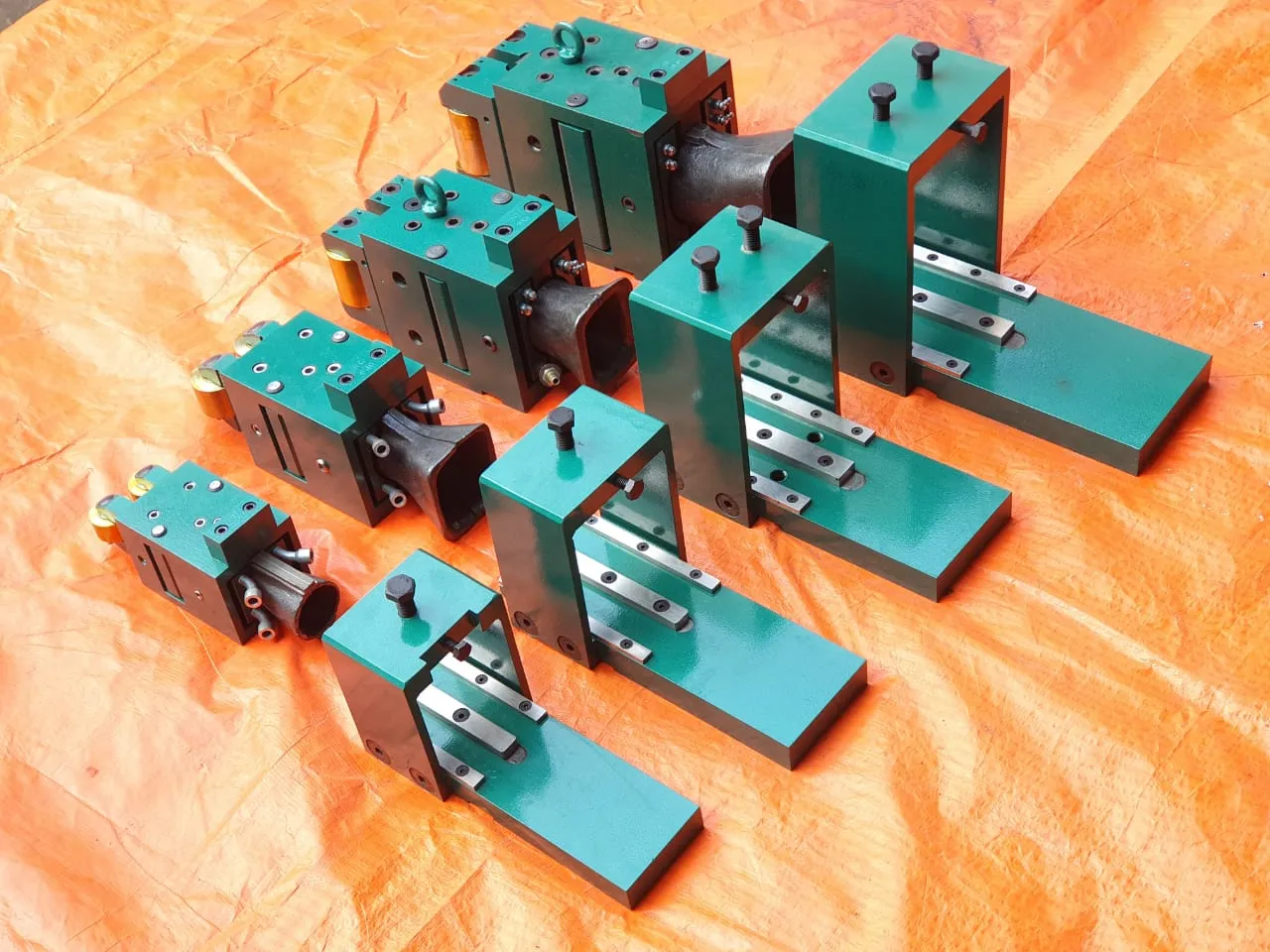
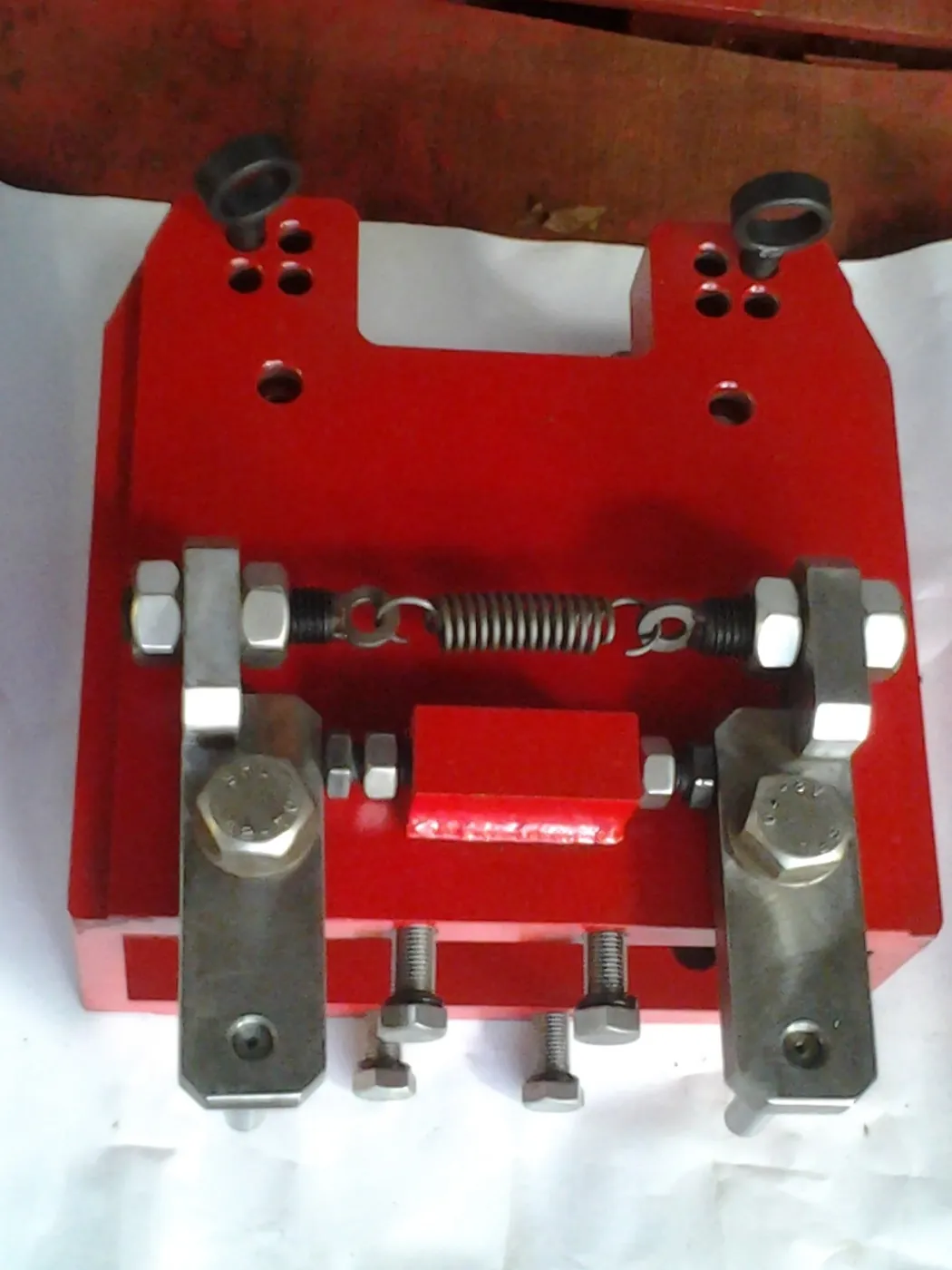
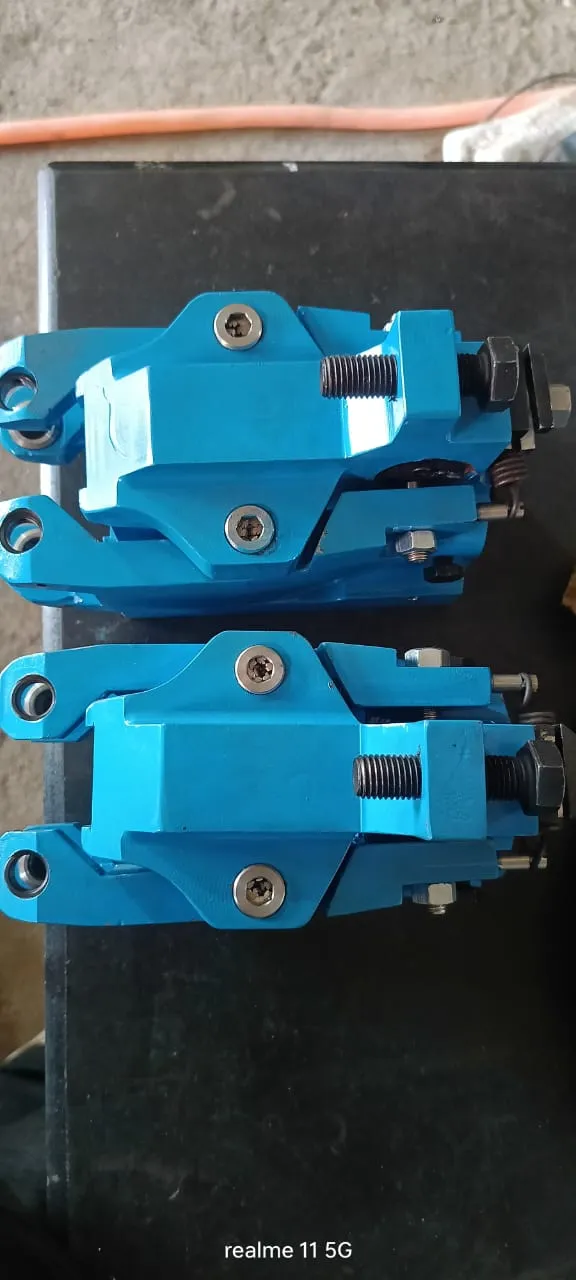
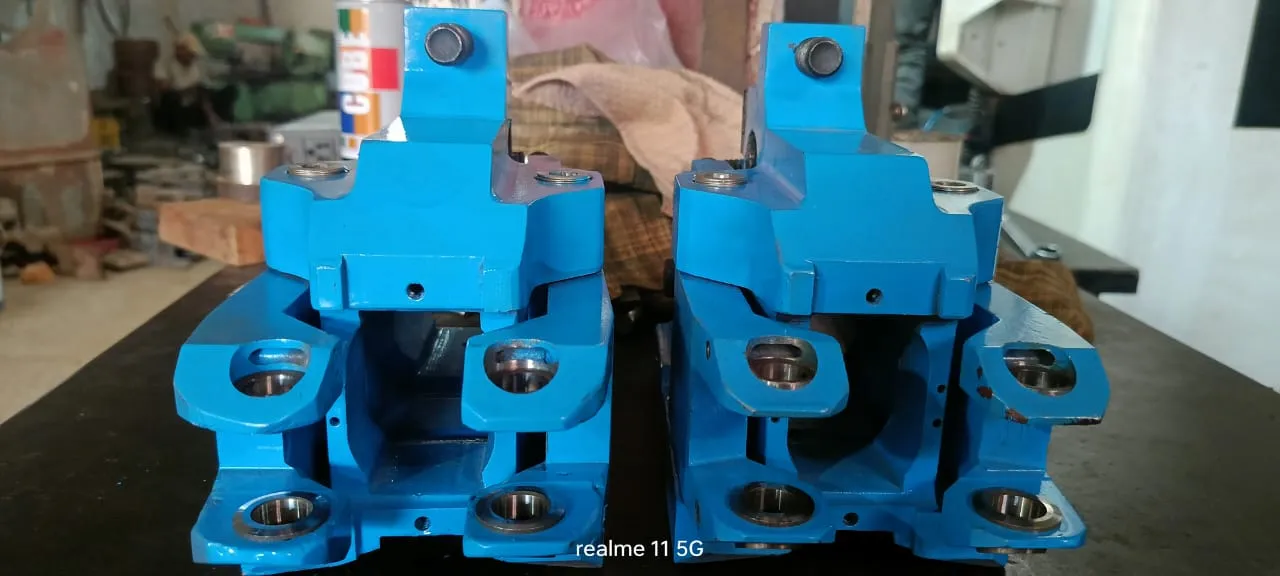
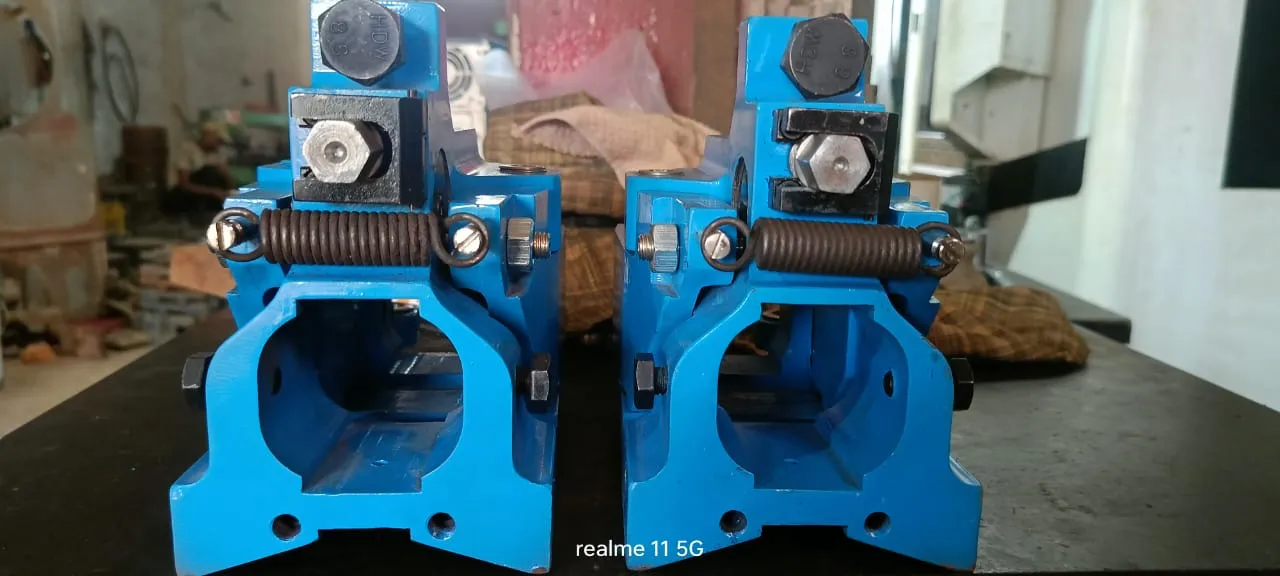
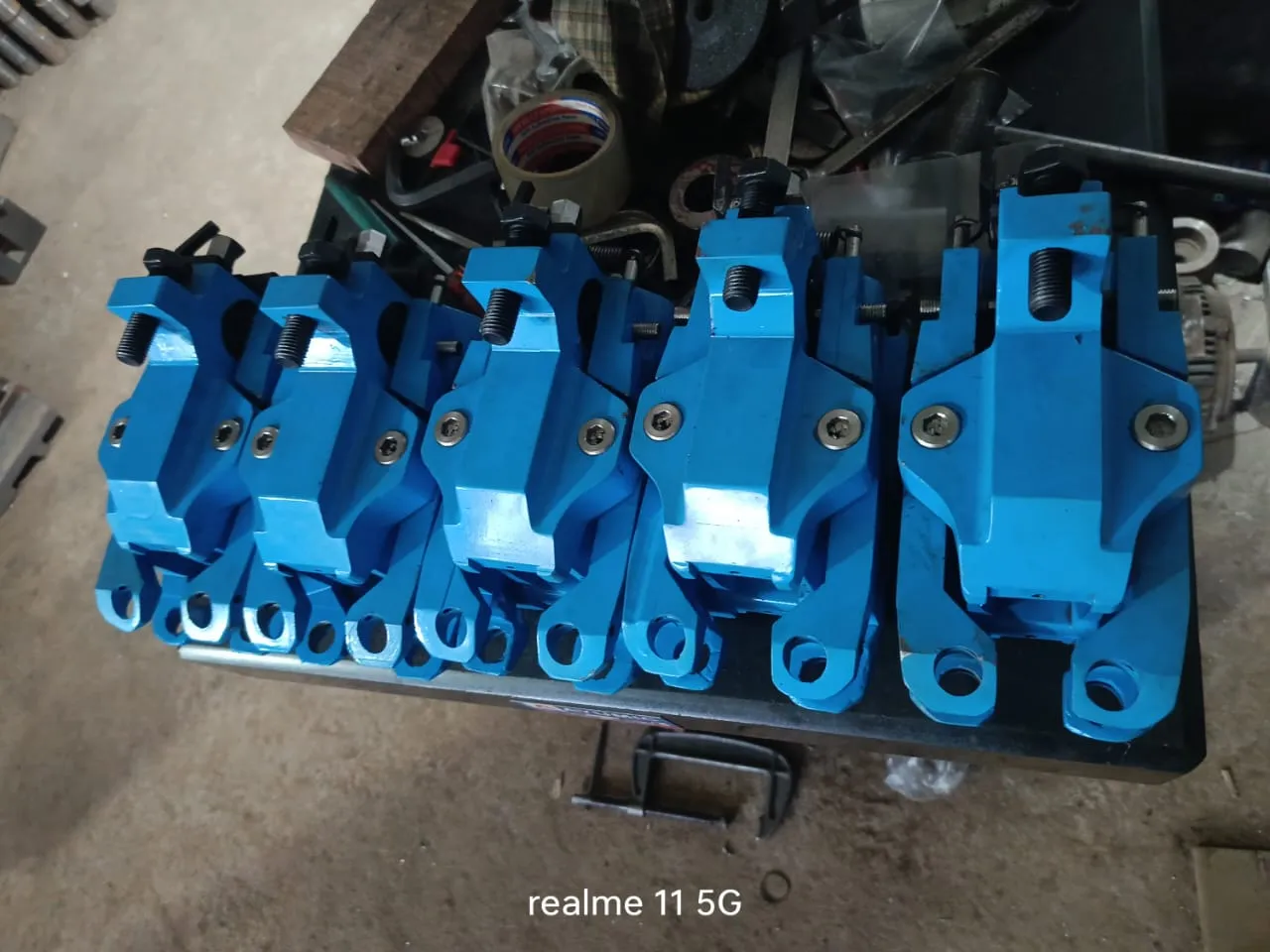
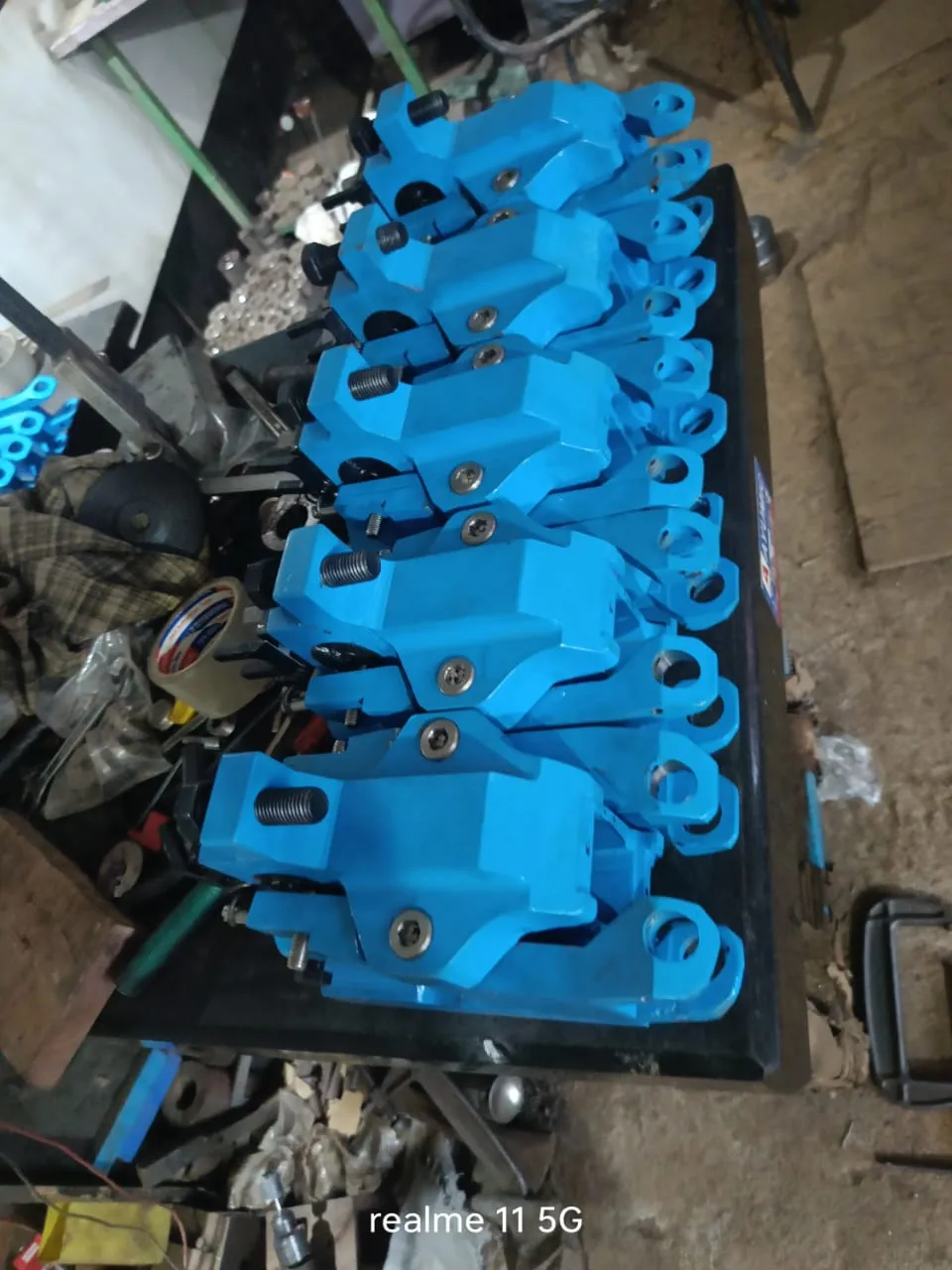
Roller and channel-type entry guides that present the stock squarely to the pass, machined, fitted and set in house as complete assemblies.
Discuss Your RequirementSpecified around the line—not selected from a generic list.
The entry guide decides what the pass actually sees. Roller spacing, entry bell geometry, bearing arrangement and the repeatability of the mounting determine how the section tracks, how the surface finishes and how quickly a set can be changed. NSG EA builds entry guides as complete assemblies—body, rollers, bushings, entry bell and adjusting hardware—so the fit at the stand is verified before dispatch.
Engineering scope
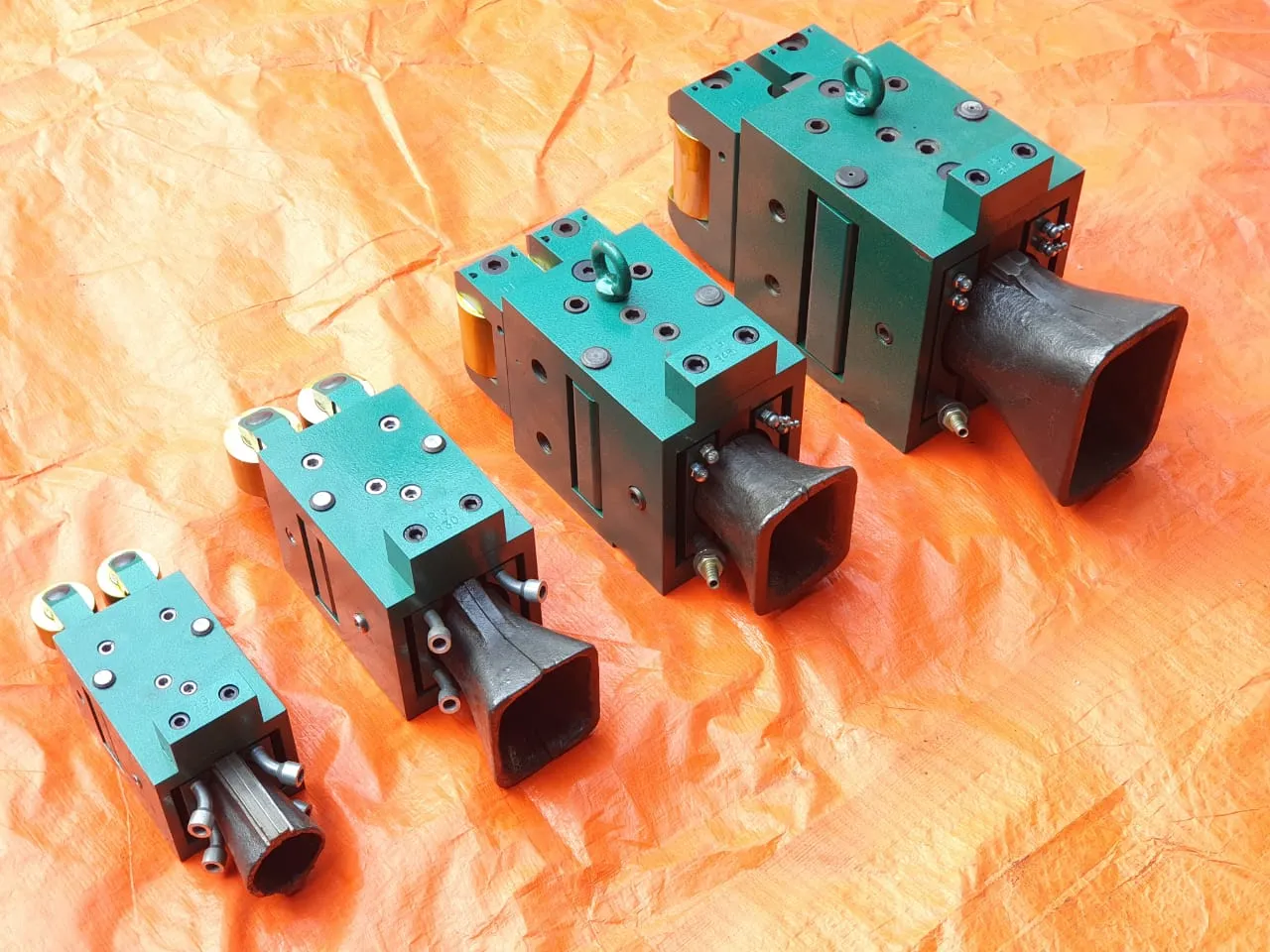
- Roller entry guides with conical and rectangular entry bells
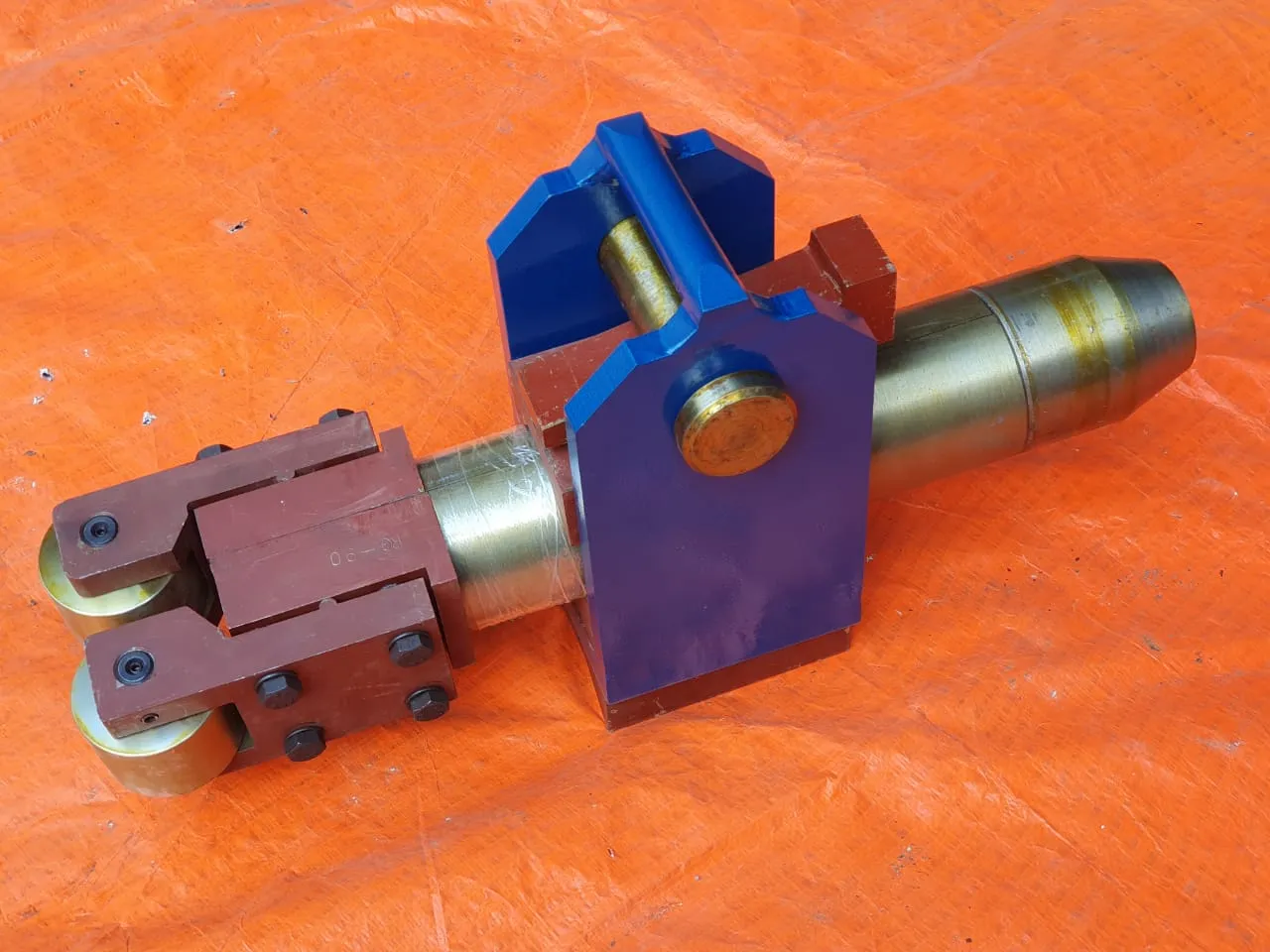
- Static and channel-type guide bodies
- Spring-loaded and screw-adjusted roller arrangements
- Hardened guide rolls, bushings and wear sleeves
- Reverse engineering from installed or worn samples
- Matched sets machined to a common mounting datum
Typical applications
- 01Roughing, intermediate and finishing stands
- 02Entry positions across the pass line
- 03Section and structural rolling mills
- 04Changeover spares and shutdown replacements
Manufactured in house
Machining, assembly, finishing and dispatch—photographed on our shop floor.
Questions buyers ask early
Can entry guides be made to match an existing stand?
Yes. Working from an installed sample, a worn unit or measured mounting data, guides can be produced to the existing datum so they drop into the current stand without rework.
Are rollers and bushings supplied with the guide?
Entry guides are supplied as complete assemblies including rollers, bushings and adjusting hardware, and the same wear parts can be ordered separately as spares.
Can a matched set be supplied for a full line?
Sets are machined to a common mounting datum so units are interchangeable across positions, which keeps changeover predictable across the line.
Share it and we will come back on feasibility, scope and the data still needed.
Discuss your entry guides requirement.
Share the application, product range, current equipment and performance objective. The conversation starts with your process—not a standard catalogue answer.