Block Guide System
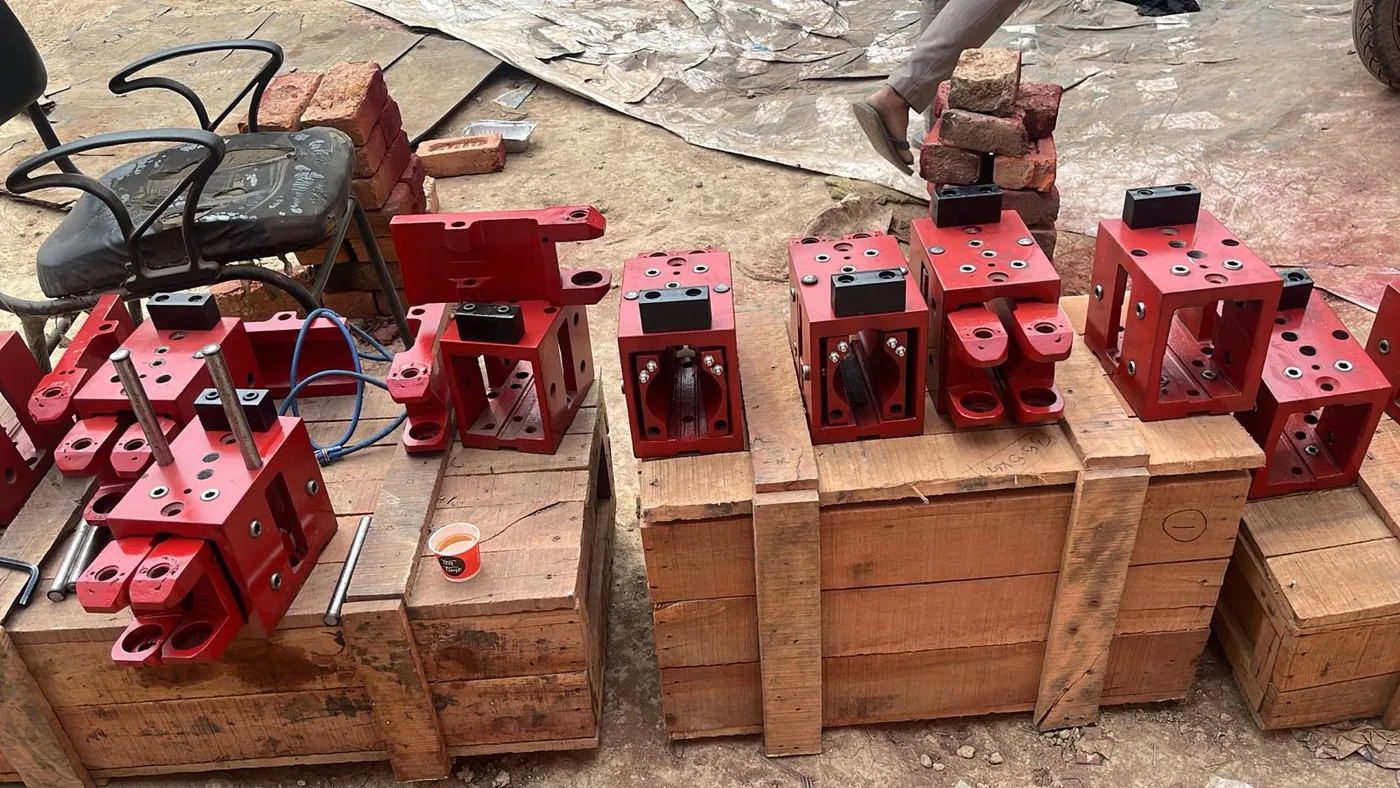
Heavy block guide housings and holders that carry the guide assembly at the stand and hold its setting under rolling load.
Discuss Your RequirementSpecified around the line—not selected from a generic list.
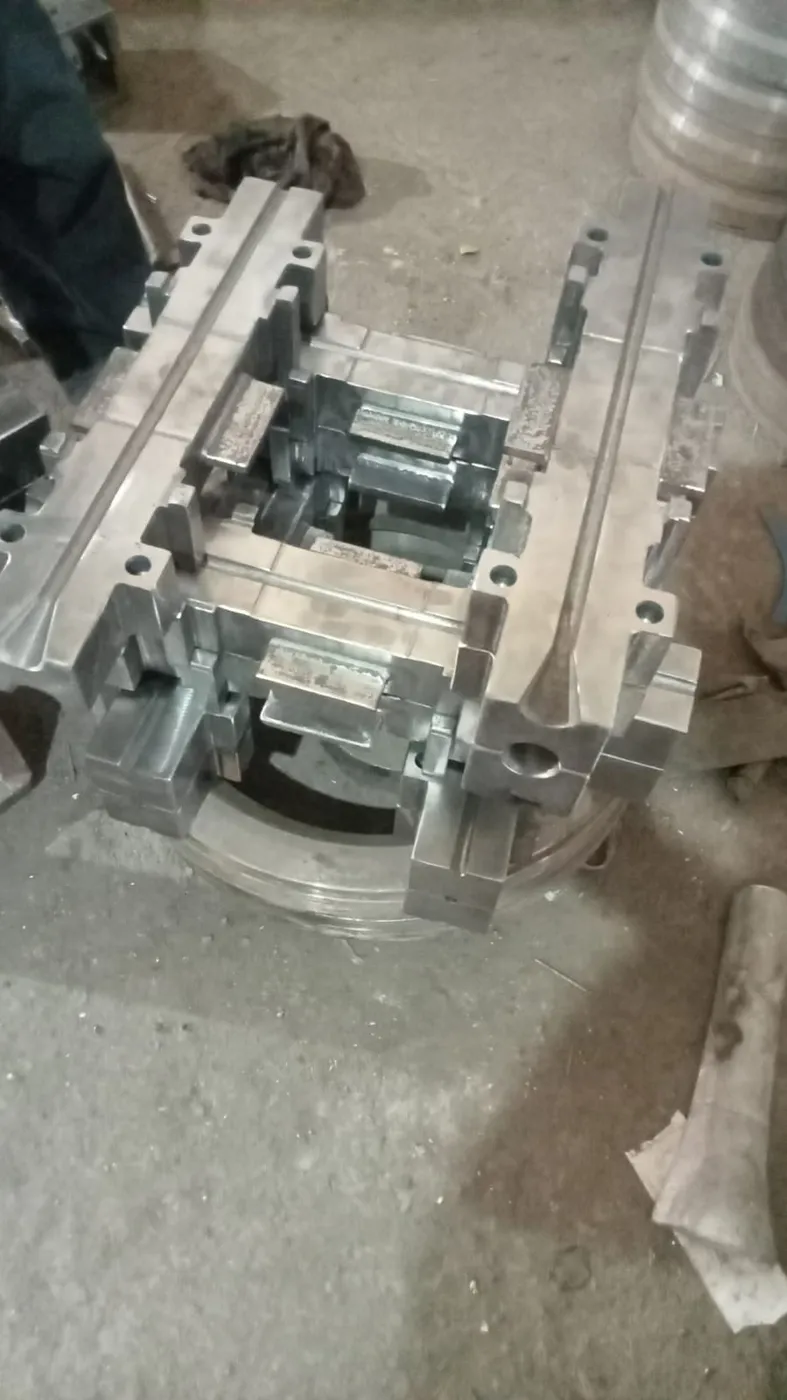
A block guide carries the working guide and keeps it where it was set. Housing stiffness, bore accuracy, mounting face flatness and the clamping method decide whether a setting survives a full campaign or drifts under load. NSG EA machines block guide housings and holders to the stand's own datum so a replacement mounts without shimming or rework.
Engineering scope
- Block guide housings and guide holders
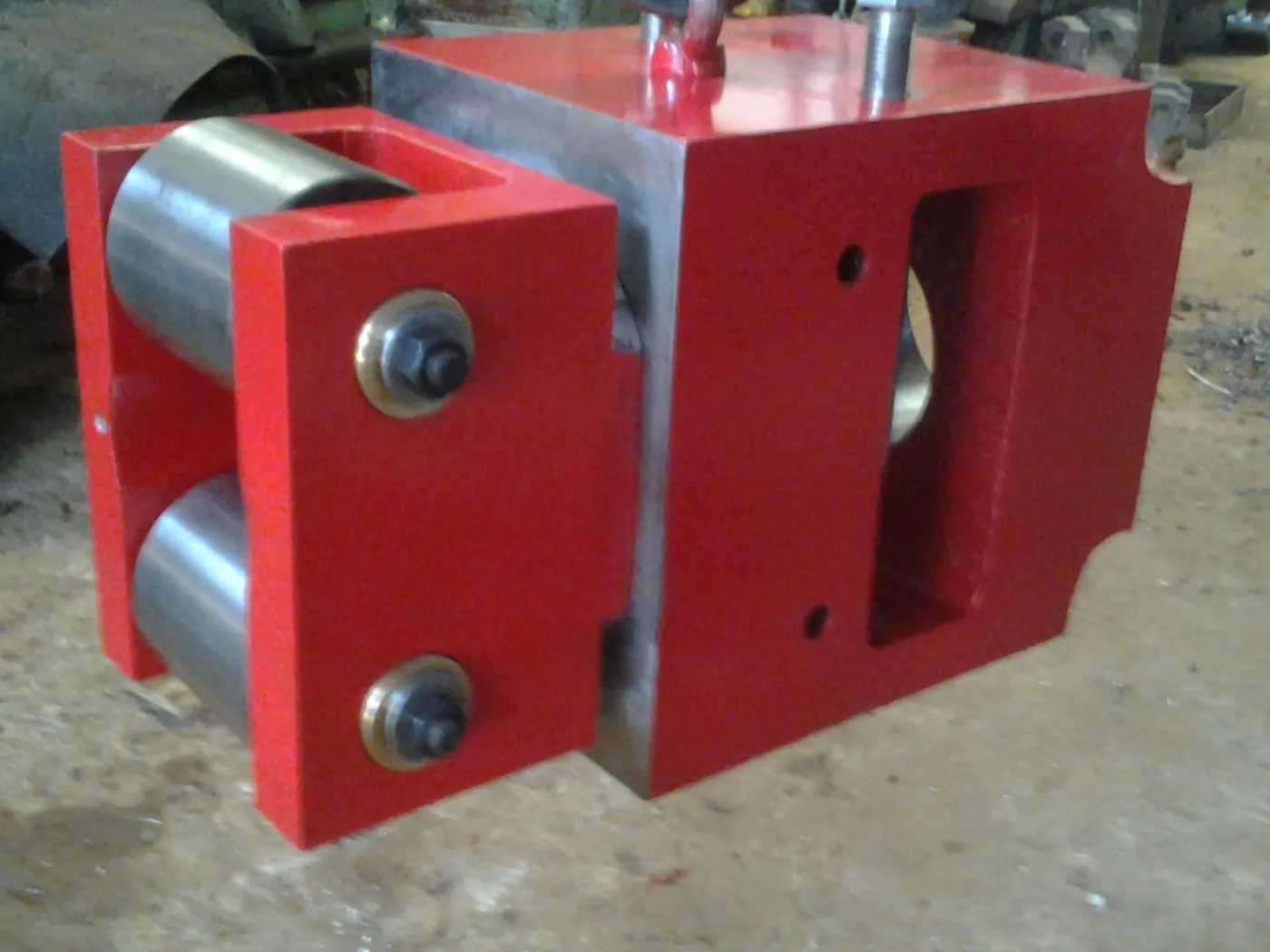
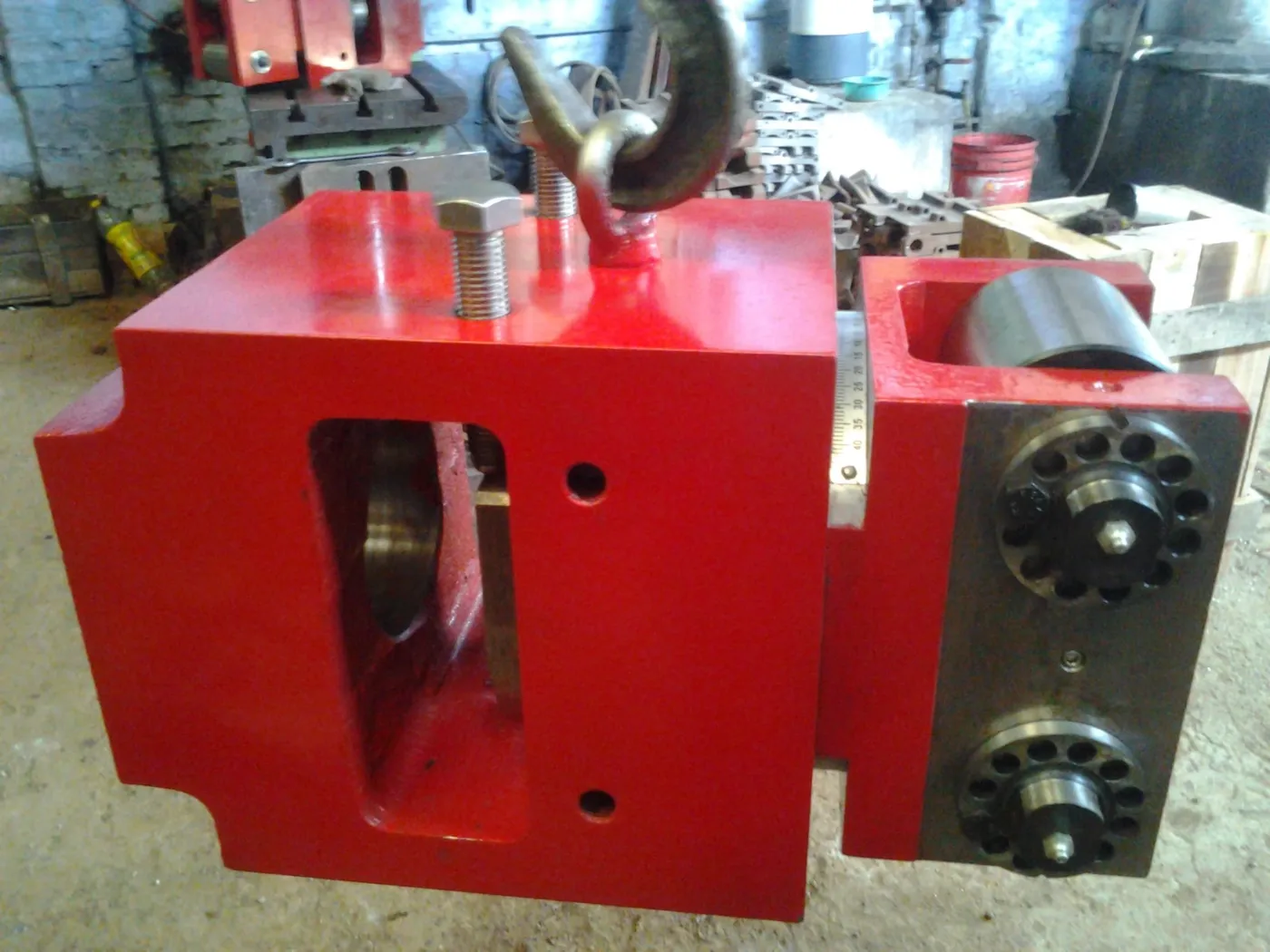
- Twin-roller block guides with hardened rollers
- Machined mounting faces and locating datums
- Clamping, wedge and adjustment hardware
- Reverse engineering from installed or worn units
- Matched sets for multi-stand positions
Typical applications
- 01Roughing, intermediate and finishing stands
- 02Entry and delivery guiding positions
- 03Section and structural rolling mills
- 04Shutdown and changeover replacements
The role of the block guide
The block guide is the heavy body that carries the working guide at the stand and transfers the load from the stock into the guide rest. It sets where the guide sits relative to the pass, and it has to keep it there for the whole campaign.
If the housing moves, every guide it carries moves with it. That is why a worn or flexible housing often shows up first as tracking problems and uneven roller wear, even when the guides themselves are new.
Why machining accuracy matters
The mounting faces have to be flat and square, and the bores and locating faces have to sit in the right position relative to the pass line. The clamping or wedge arrangement has to hold the setting against vibration and repeated heating and cooling. Heavy sections give the stiffness, and machined datums give the repeatability.
When these are right, a guide set off the mill drops into position at the stand without shimming, and the setting stays where it was made.
Replacing and standardising housings
Mills that have grown over the years often run housings from several suppliers, each slightly different. Producing replacements to one common datum makes guides interchangeable across stands and simplifies spare stock. Where no drawing exists, a housing can be reverse engineered from an installed unit or a worn sample.
Manufactured in house
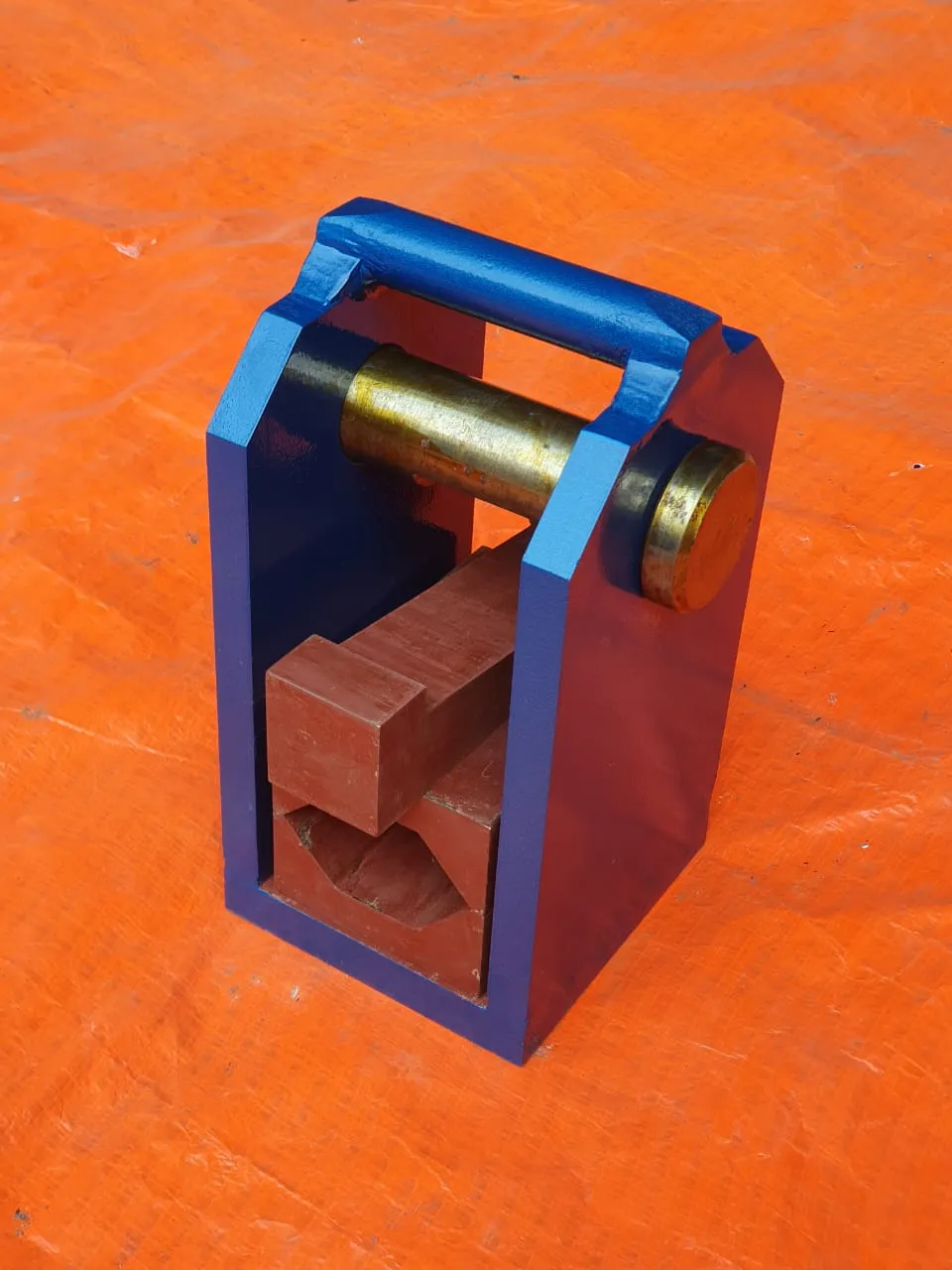
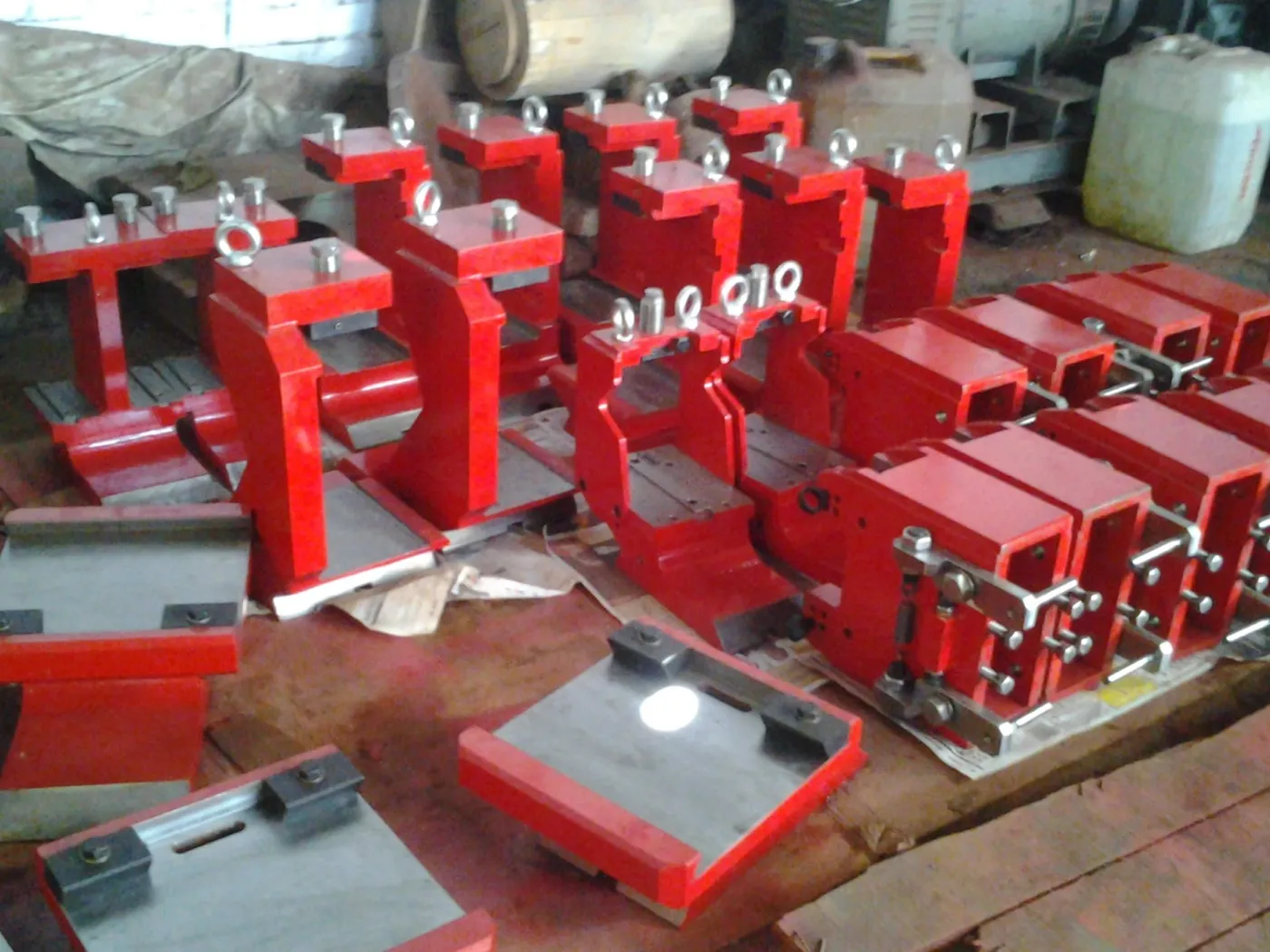
Machining, assembly, finishing and dispatch—photographed on our shop floor.
What to send us for a quotation
The more of this you can share, the faster we can come back with a firm scope.
- Guide rest or stand drawing, or measured mounting dimensions
- An existing housing or worn sample
- The type of guide the housing carries
- Stand positions where it is used
- Quantity required
Questions buyers ask early
Can a block guide be produced to fit an existing stand?
Yes. Housings are machined to the stand's existing mounting datum, taken from an installed unit, a worn sample or measured installation data, so the replacement drops in.
Why does housing stiffness matter?
The housing carries the rolling load into the stand. A body that deflects lets the guide setting move, which shows up as tracking variation and uneven wear on the rollers.
Can different stands share the same block guide?
Where stands share the same guide rest geometry, housings can be standardised so they interchange between positions. Each position then differs only in the guide it carries, which reduces the number of different housings the mill has to keep in stock.
Share it and we will come back on feasibility, scope and the data still needed.
Discuss your block guides requirement.
Share the application, product range, current equipment and performance objective. The conversation starts with your process—not a standard catalogue answer.